October 2, 2026
Subterranean residential spaces provide valuable structural support, expanded living quarters, and versatile utility storage for modern households. However, being situated entirely below ground level exposes these lower structures to relentless hydraulic pressure from surrounding soils, shifting water tables, and heavy seasonal precipitation. Moisture naturally migrates toward the path of least resistance, continually seeking microscopic pores, structural expansion joints, and subtle floor seams within concrete foundations. Over time, unaddressed dampness can quietly compromise building materials, degrade indoor air quality, and damage stored belongings. Many homeowners mistakenly assume that minor dampness represents a normal characteristic of below-grade rooms, neglecting subtle early warnings until major structural issues arise. Discerning the subtle warning signs of advancing water intrusion enables property owners to intervene before minor dampness turns into major structural decay. Engaging experienced basement waterproofing companies ensures that hidden moisture entry points are systematically diagnosed, thoroughly evaluated, and permanently resolved. Professional evaluation identifies the precise physical mechanisms driving water accumulation beneath your home, allowing for customized drainage and sealing strategies. Taking proactive steps to preserve subterranean spaces safeguards total property value, maintains healthy living environments, and ensures long-term structural resilience against continuous subterranean hydrostatic forces.
Identifying Persistent Moisture and Condensation
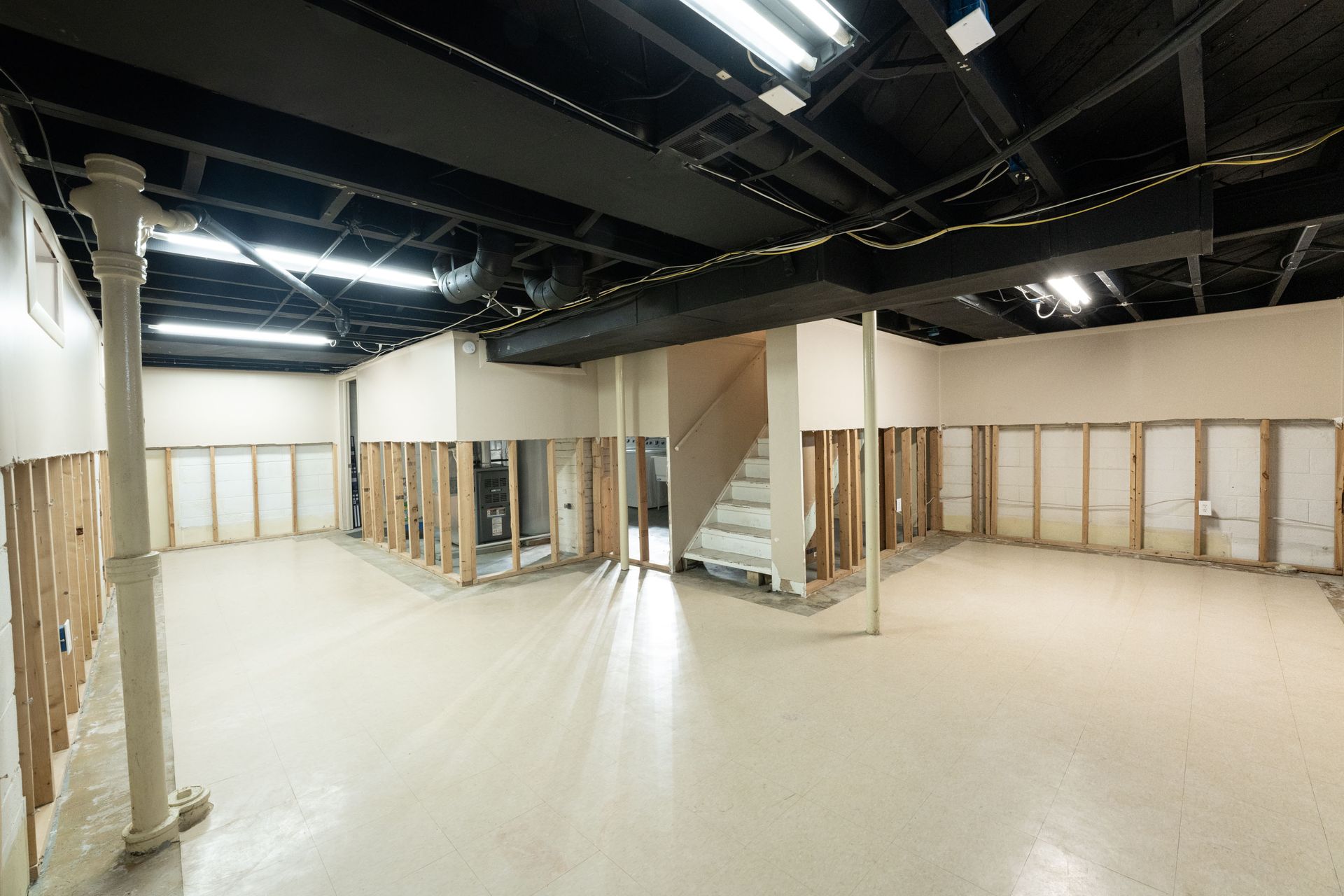
A primary indicator of advancing water intrusion is the continuous presence of standing water, damp floor spots, or beads of condensation clinging to subterranean walls. During periods of heavy rainfall or rapid snowmelt, water accumulates in the soil surrounding foundation walls, generating severe hydrostatic pressure that forces liquid through porous concrete masonry. Even in the absence of obvious pooling, persistent condensation along interior walls or piping indicates elevated humidity levels driven by exterior moisture migration. When relative humidity levels within subterranean rooms remain high, moisture settles on cold concrete surfaces, creating damp conditions that damage drywall, wood framing, and flooring materials. Homeowners who observe persistent wall dampness frequently consult basement waterproofing companies to determine whether liquid is seeping through wall pores or rising through concrete slab joints. Experienced technicians perform comprehensive diagnostic assessments to differentiate between simple ambient humidity and active hydrostatic seepage beneath floor slabs. Ignoring persistent dampness allows moisture to penetrate structural framing, weakening wood studs and deteriorating baseboard materials over extended periods. Implementing comprehensive drainage systems intercepts migrating water before it accumulates along interior perimeters, ensuring that lower living spaces remain completely dry, healthy, and usable regardless of weather conditions outside.
Recognizing Musty Odors and Air Quality Changes
A distinct, damp, or earthy smell inside lower rooms serves as a definitive sign that hidden moisture is actively accumulating within wall cavities, beneath floor coverings, or inside structural framing. Organic materials such as wooden studs, paper-backed drywall, subflooring panels, and stored cardboard containers readily absorb airborne moisture, creating ideal conditions for microbial activity. According to RubyHome, 98% of residential basements across the country will encounter water-related issues at least once throughout their operational lifespan. This staggering prevalence underscores the critical need for proactive moisture management long before visible flooding occurs. As damp organic materials decay, they release volatile compounds that circulate upward throughout the entire home, impacting indoor air freshness and residential comfort. Relying on specialized basement waterproofing companies allows homeowners to address the root causes of persistent odors rather than temporarily masking bad smells with room air fresheners. Professional technicians locate hidden dampness behind finished walls, beneath floating floors, and inside perimeter drainage channels. Eliminating concealed moisture sources halts biological activity, restores fresh indoor air quality, and protects family members from breathing damp, contaminated air. Comprehensive interior sealing and drainage remediation ensure that lower level air remains clean, crisp, and completely free from persistent subterranean odors.
Observing Efflorescence and Wall Stains
White, chalky powder appearing along interior concrete walls or brick masonry represents a classic physical indicator of continuous moisture migration through foundation materials. Known as efflorescence, this powdery residue forms when subterranean water dissolves natural mineral salts present within concrete, mortar, or surrounding soil matrices. As liquid evaporates from interior wall surfaces, it leaves behind crystalline mineral deposits that accumulate in visible streaks, patches, or line formations. While efflorescence itself is non-toxic, its appearance confirms that water is actively traveling through the full thickness of structural foundation walls. Over time, persistent salt crystallization within concrete pores exerts internal pressure, causing microscopic spalling, flaking, and surface crumbling along masonry walls. Homeowners frequently seek assistance from established basement waterproofing companies when chalky deposits or dark water stains begin spreading across raw or painted foundation walls. Professional evaluations determine whether water intrusion stems from inadequate exterior grading, failing perimeter drain tiles, or unsealed wall cracks. Addressing mineral efflorescence early stops progressive masonry breakdown, preserves structural wall strength, and prevents water from eventually breaching interior wall finishes. Applying targeted interior sealants combined with comprehensive exterior drainage controls stops mineral leaching and maintains clean, solid masonry walls.
Detecting Foundation Cracks and Structural Movement
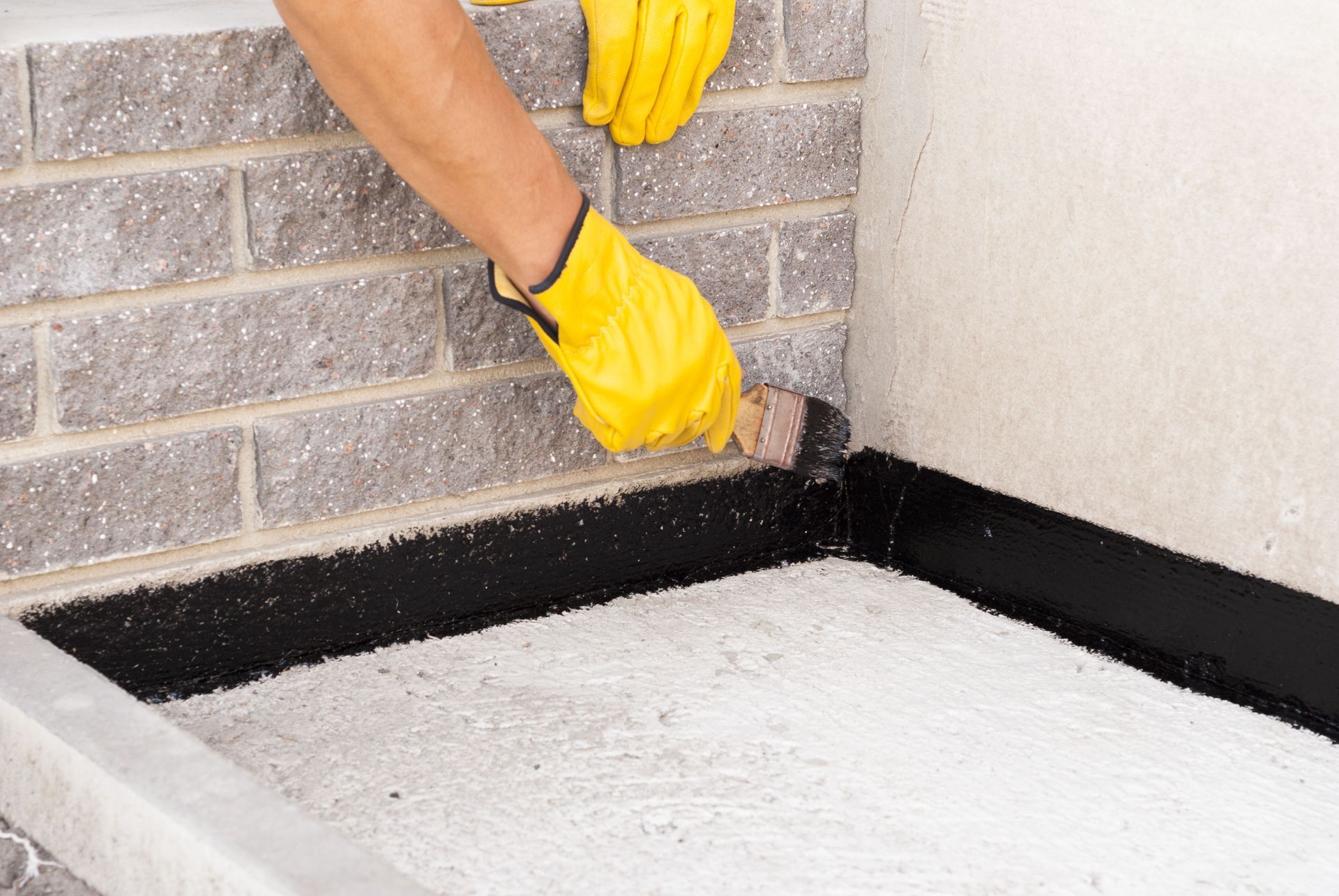
Concrete foundations naturally undergo subtle settling and thermal expansion, but noticeable wall fractures, floor cracks, or bowing masonry indicate significant physical stress driven by water pressure. Excess soil moisture expands clay soils surrounding foundation walls, exerting immense lateral pressure that pushes concrete inward. Conversely, prolonged dry periods cause soil shrinkage, leading to uneven structural settling and stress fractures along weak foundation seams. As cracks widen, they create direct, unobstructed pathways for subterranean water, soil sediment, and outdoor moisture to enter lower living spaces. Engaging qualified basement waterproofing companies ensures that structural fractures are properly evaluated to distinguish between minor cosmetic settling lines and severe structural instability. Specialized technicians utilize heavy-duty epoxy injections, carbon fiber reinforcement straps, or interior drainage membranes to seal open fractures and stabilize moving walls. Sealing structural cracks prevents water from rushing through foundation seams during heavy rainstorms, protecting lower rooms from sudden, catastrophic water accumulation. Addressing structural movement promptly reinforces foundation stability, stops progressive wall deflection, and ensures that subterranean walls remain completely impervious to exterior water pressure. Preserving foundation structural integrity remains essential for maintaining the overall safety and stability of the entire home.
Addressing Pest Activity and Mold Growth
Subterranean dampness creates an inviting environment for unwanted biological growth and persistent insect infestations that thrive in high-humidity conditions. Black, green, or yellow fungal patches growing on lower drywall, wooden framing, baseboards, or stored paper items indicate chronic, unaddressed moisture exposure. Fungal spores reproduce rapidly in dark, damp spaces, spreading throughout HVAC ductwork and compromising indoor air cleanliness across all living levels. Additionally, moisture-seeking pests such as carpenter ants, termites, silverfish, and centipedes are naturally drawn to damp subterranean environments, where softened wood framing provides an ideal habitat. Partnering with reputable basement waterproofing companies enables property owners to eliminate the damp conditions that attract biological growth and pest activity.
Maintaining a completely dry, secure, and healthy subterranean environment requires continuous vigilance, early symptom recognition, and professional remediation strategies. Persistent condensation, musty subterranean odors, mineral efflorescence, expanding wall cracks, and persistent mold growth all serve as clear warnings that water is breaching your home's foundation. Ignoring early indicators allows hydrostatic pressure to damage structural framing, degrade indoor air quality, and compromise total property value over time. Collaborating with experienced basement waterproofing companies ensures that hidden water entry points are accurately diagnosed, structural cracks are permanently sealed, and comprehensive drainage systems are correctly installed. Taking decisive action today preserves foundation stability, protects belongings, and guarantees a dry, comfortable lower living space for years to come.
If you are ready for a dry, healthy, and secure subterranean space, contact us at Hydroseal Basement Waterproofing today. We will help you protect your property with comprehensive moisture management solutions.